
Loading...
Serving St. Petersburg, FL and surrounding areas. (727) 632-8174
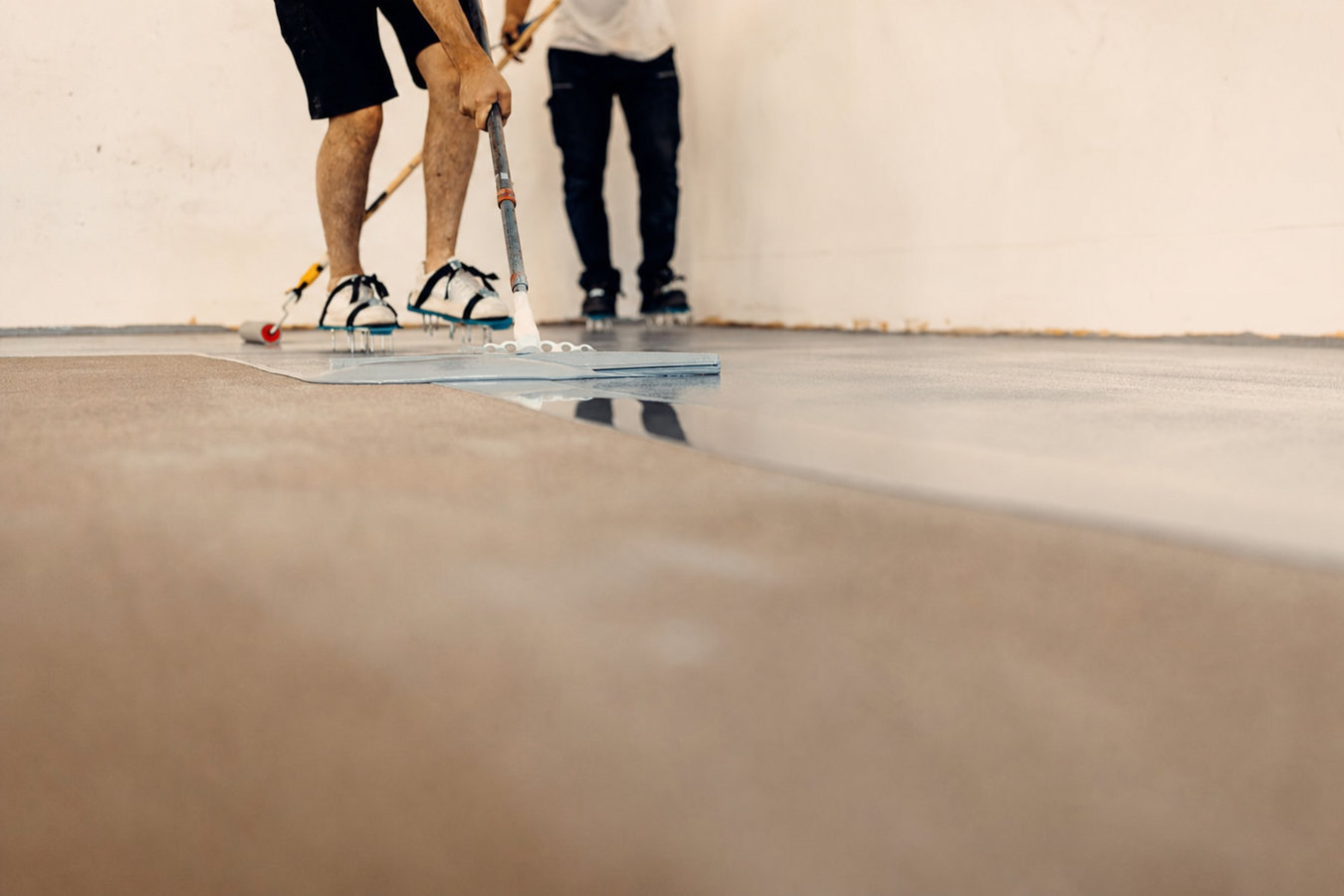
Florida sun, summer storms, and salt air are hard on unprotected concrete. We seal your surface so it holds up through years of Pinellas County weather.
Florida sun, summer storms, and salt air are hard on unprotected concrete. We seal your surface so it holds up through years of Pinellas County weather.
Concrete sealing in St. Petersburg puts a thin protective layer over your driveway, patio, pool deck, or garage floor that keeps water, oil, and stains from soaking in - most residential applications take just a few hours, with a 24 to 48 hour cure window before foot traffic.
Think of it like a raincoat for your outdoor concrete. Without it, St. Petersburg's relentless summer rain, intense UV exposure, and salt air from Tampa Bay work their way into the surface and start breaking it down from the inside. By the time you see visible cracking or pitting, the damage is already done. Sealing your concrete before that process starts is far less expensive than repairing or replacing it afterward. If your surface has reached the point where cracks need filling and old coatings need to come off before a sealer can bond, our concrete grinding and surface preparation service handles that prep work first.
For surfaces that have moved beyond sealing into visible surface damage, our concrete resurfacing and overlays service can restore the surface before a fresh sealer is applied - so you get both a repaired and protected result in one project.
Four signals St. Petersburg homeowners can check themselves right now.
Pour a cup of water on your driveway or patio. If it soaks in within a minute or two and leaves a dark wet patch, the sealer has worn through and your concrete is absorbing moisture it should not be. In St. Petersburg's rainy season, unprotected concrete absorbs water repeatedly each afternoon, which speeds up cracking and surface breakdown season after season.
If your concrete looks washed out, chalky, or noticeably lighter than it used to, the surface layer is breaking down from UV exposure. St. Petersburg's intense year-round sun is one of the main reasons this happens faster here than in most other cities - what might take five years in a northern climate can happen in two or three here.
Concrete without a protective layer acts like a sponge. Motor oil from a parked car, rust from patio furniture, and mildew from Florida's humidity all soak in and become permanent. If you are scrubbing stains and they are not coming out, the concrete has absorbed them - it is time to clean, treat, and reseal before the staining gets worse.
Small cracks and a rough, gravelly feel underfoot are signs that moisture has been getting in and working on the concrete from the inside. In St. Petersburg, where rain and humidity are constant for months at a time, this process happens faster than homeowners expect. Sealing will not fix existing cracks, but it will stop them from spreading - and a good contractor will fill hairline cracks before sealing.
We offer both penetrating sealers and topical sealers, and we walk you through the difference before any work begins. Penetrating sealers soak into the concrete and protect it from the inside without changing its appearance - they are a good fit for driveways and walkways where you want lasting protection without a glossy look. Topical sealers sit on the surface and give a visible sheen from a subtle matte to a wet-look finish - popular for pool decks and patios where appearance matters as much as protection. Every job includes thorough surface prep: pressure washing, stain treatment, crack filling, and full drying time before the sealer goes down. For surfaces needing more significant repair work before sealing can begin, we coordinate with our concrete resurfacing and overlays service so prep and sealing happen under one contractor.
Homeowners with newly polished floors who want to add a protective barrier can combine sealing with our polished concrete flooring service. A guard coat applied after polishing serves a similar protective function indoors, while our standalone sealing service covers outdoor and garage surfaces where weather exposure is the primary concern. We also specifically discuss slip resistance for any outdoor application - many sealers designed for St. Petersburg's pool decks and driveways include a texture additive so the finished surface stays safe underfoot when wet.
Best for driveways, walkways, and garage floors where you want deep moisture protection without changing the look of the concrete.
Best for pool decks and patios where a visible sheen and enhanced appearance are part of the goal alongside weather protection.
For surfaces with visible damage that needs to be repaired before a sealer can bond and perform properly.
For interior concrete that needs both a refined finish and a protective guard coat applied after polishing.
St. Petersburg averages more than 360 days of sunshine per year and roughly 50 inches of rain, most of it concentrated in a summer wet season that runs from June through September. That combination - constant UV exposure plus repeated heavy rainfall - breaks down sealers and unprotected concrete faster than nearly anywhere else in the country. Homes near Tampa Bay and the Gulf of Mexico deal with the added pressure of salt air, which quietly accelerates surface breakdown on driveways, patios, and pool decks. Neighborhoods like Snell Isle, Shore Acres, and Venetian Isles see this effect clearly - concrete that looks fine in spring can develop a rough, pitted texture by fall if it is not properly protected. Homeowners throughout Pinellas County, including those in Seminole, find that sealing on a two to three year schedule is the most reliable way to stay ahead of damage rather than react to it. The EPA UV index data for Florida shows why products rated for less UV-intense climates wear out faster here.
The age of St. Petersburg's housing stock also matters. The city has a large number of homes built between the 1940s and 1970s, many with original concrete driveways and patios that have never been professionally sealed or were last sealed decades ago. Older concrete often has surface staining, micro-cracks, and a rough texture that needs to be addressed before sealing - skipping that prep step means the sealer will not bond properly and will peel within months. St. Petersburg also has a significant number of HOA communities, particularly in planned neighborhoods around Largo and the coastal corridors, where guidelines about driveway finish appearance may apply - worth checking before choosing a sealer type.
Four steps from first contact to a sealed, protected surface.
Reach out by phone or through our contact form and we will respond within one business day. We will ask a few quick questions about the surface - what type of concrete, roughly how large it is, and whether there are any visible cracks or stains - so we can make the most of the estimate visit.
We visit your property, look at the actual concrete, check for cracks, staining, and any moisture concerns, and walk you through which sealer type suits your surface and goals. You receive a written quote that includes prep work, not just sealer application - so you know exactly what you are paying for before we start.
We pressure wash the surface, treat any oil stains or mildew, fill hairline cracks, and allow the concrete to dry completely - in St. Petersburg's humid climate this drying step is not rushed. Once the surface is ready, we apply the sealer in thin, even coats, typically two passes to cover the area fully.
After sealing, stay off the surface for at least 24 hours on foot and 72 hours with vehicles. We will give you a specific timeline based on the product and current weather, plus clear instructions on what cleaning products are safe to use and when to expect the next resealing - so you know exactly how to maintain what you just paid for.
Free estimate, written quote, no obligation. We respond within one business day.
(727) 632-8174The most common reason sealing fails early is that the surface was not properly cleaned and dried before the sealer went down. We pressure wash, treat stains, fill cracks, and allow full drying time on every job - and we include that prep work in the written quote so you are not surprised by add-ons after the crew arrives.
We tell you upfront how long your specific sealer should realistically last given St. Petersburg's UV intensity and rainfall, not a national average that does not apply here. That means you can plan ahead and maintain your surface on the right schedule instead of waiting until you see visible damage.
We discuss slip resistance on every outdoor sealing job - pool decks, driveways, and patios. Smooth sealers can become dangerously slick on wet surfaces, and in a city where outdoor concrete gets wet almost daily from June through September, that matters. We recommend and apply texture additives wherever the surface and traffic call for them.
We have sealed concrete throughout St. Petersburg and across Pinellas County, working on homes from the 1940s bungalows of Old Northeast to newer construction near the water. Florida contractors are licensed through the state - you can look up our credentials on the Florida DBPR website before you hire, and we are happy to provide our license number when you call.
These specifics determine whether a sealing job holds through two Florida rainy seasons or starts peeling after the first one. For a useful reference on concrete sealer types and application standards, the Portland Cement Association is a well-established industry authority on concrete protection and maintenance.
Repair damaged or deteriorated concrete surfaces before a fresh sealer is applied for lasting protection.
Learn MoreTransform an interior slab into a smooth, dense finished floor with a protective guard coat included.
Learn MoreSpring and fall slots fill quickly - the best time to seal is before the rainy season starts, not after the damage is done.