
Loading...
Serving St. Petersburg, FL and surrounding areas. (727) 632-8174
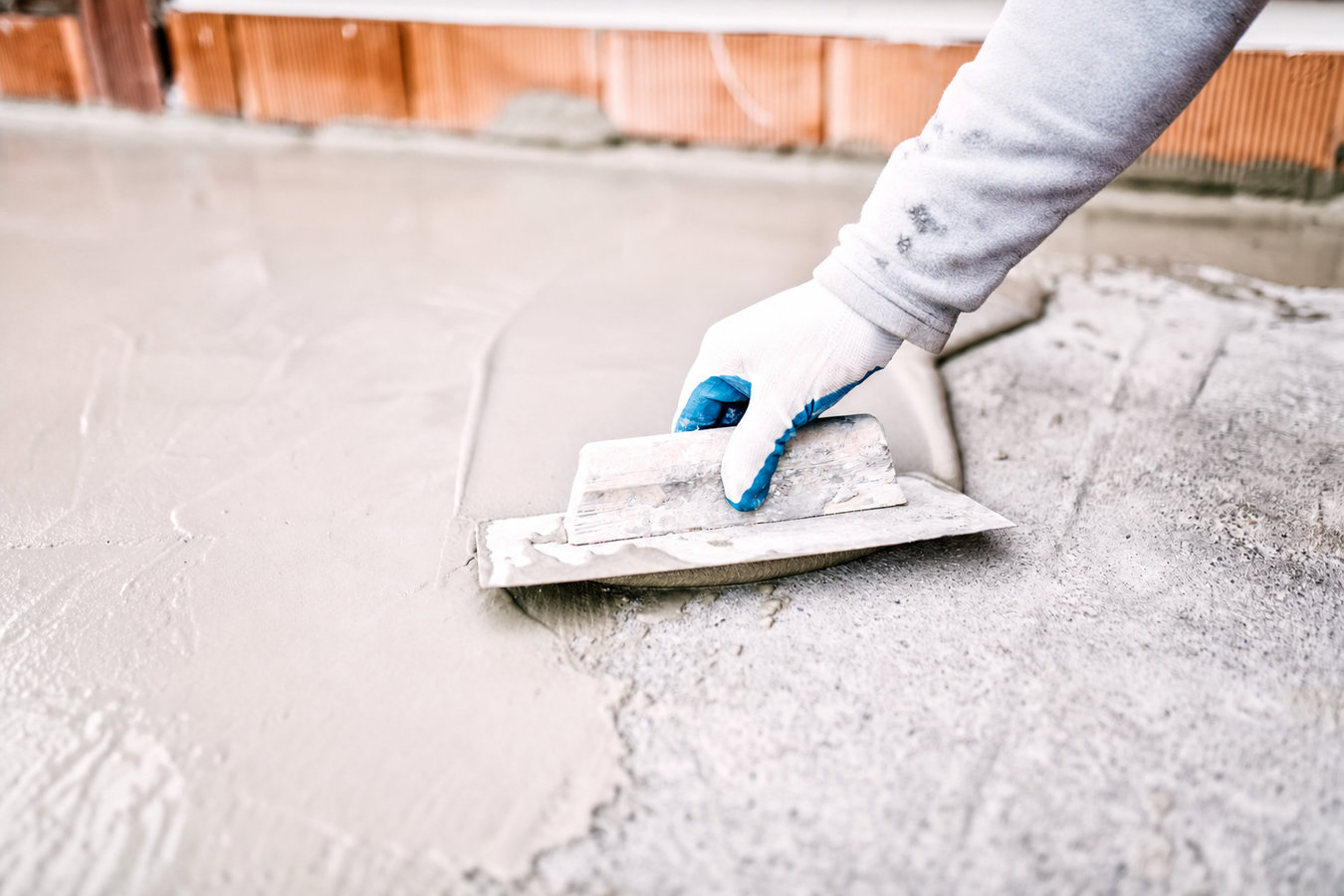
Uneven floors, cracked pool decks, and worn overlays are fixable without tearing everything out. We test for moisture, level what needs leveling, and apply finishes built to last in Florida.
Uneven floors, cracked pool decks, and worn overlays are fixable without tearing everything out. We test for moisture, level what needs leveling, and apply finishes built to last in Florida.
Self-leveling concrete in St. Petersburg is a specially mixed compound poured onto an uneven floor where it flows into low spots and settles flat on its own - fixing dips, slopes, and uneven areas before new flooring goes down or as a finished surface, with most single-room jobs complete in one day and walkable within 24 hours.
If your floor rolls a marble on its own, your tile keeps cracking for no obvious reason, or your installer has told you the slab is too uneven for new flooring - self-leveling concrete is the fix. It is poured onto the prepared surface and spreads itself out, filling in low spots and leaving a flat base without manual troweling across every inch. A decorative overlay is a different product - it goes on a structurally sound floor to refresh the look, adding color, texture, or a polished finish. Many projects combine both: leveling the slab first, then applying an overlay on top. For outdoor surfaces like pool decks and patios that need a full refresh, our concrete resurfacing and overlays service handles that scope of work. What separates good work from poor work in Florida is moisture testing before anything goes down - skipping that step is the reason most overlays peel within a year or two in this climate.
Four signals St. Petersburg homeowners can recognize themselves.
If you set a ball down on your floor and it rolls on its own, or furniture legs sit at slightly different heights, your floor has settled unevenly. This is especially common in St. Petersburg homes built before 1980, where older slabs have had decades to shift with the wet soil beneath them. Self-leveling concrete is designed specifically for this - it fills in the low spots and gives you a flat, stable base again.
If you have replaced flooring more than once and it keeps cracking, buckling, or coming unglued, the problem is almost certainly the concrete underneath. In St. Pete's humid climate, moisture pushing up through the slab causes adhesives to fail and flooring to lift, and no amount of new flooring will fix it until the slab is properly leveled and sealed. A self-leveling pour addresses the root cause so your next floor actually stays put.
If your outdoor concrete shows cracks, discoloration, or a rough texture that is uncomfortable barefoot, an overlay can give you a fresh surface without tearing out the slab. St. Petersburg's intense UV exposure and frequent afternoon storms accelerate surface wear, so surfaces that looked fine five years ago can look rough and tired today. An overlay with a UV-resistant sealer adds years of life and dramatically improves the look.
If you are getting ready to install tile, luxury vinyl plank, or hardwood and your contractor has told you the slab is too uneven, self-leveling concrete is the standard fix. Most flooring products require the subfloor to be within a tight tolerance of perfectly flat - if it is not, the new floor will crack, squeak, or show ridges. Getting the slab leveled first protects everything you put on top of it.
We handle self-leveling pours for interior floors, decorative overlays for indoor and outdoor surfaces, and combination projects where leveling and a finish overlay are both needed. Every interior project starts with a moisture test - this is not optional in St. Petersburg, where the water table and humid soil beneath residential slabs mean moisture vapor is almost always present. If moisture is found, we apply a barrier before the overlay goes down. Skipping that step is why overlays peel here. For outdoor living spaces including patios and pool decks, our work connects directly to our pool deck coatings and resurfacing service, which covers the full scope of outdoor concrete refresh with slip-resistant, UV-rated finishes.
For projects where the existing surface or old coating needs to be removed before an overlay goes down, we coordinate with our concrete resurfacing and overlays service so prep and application happen under one contractor. All exterior overlays receive a UV-resistant, slip-resistant topcoat chosen for St. Petersburg's intense sun and frequent afternoon rain - the sealer is what makes a Florida outdoor surface last.
Fills dips and levels uneven slabs before new flooring installation. The right fix when your installer says the slab is not flat enough to proceed.
Adds lasting color and a fresh surface to a structurally sound slab. Popular for screened lanais, garage floors, and any interior or outdoor surface that looks worn but is otherwise solid.
Textured, slip-resistant overlays with UV-stable sealers for outdoor surfaces that get daily sun and foot traffic. Designed specifically for Florida's weather.
Combines a tested moisture barrier with an overlay on top. The correct approach for St. Petersburg slabs where vapor coming up from below would otherwise cause peeling.
St. Petersburg sits on the Pinellas Peninsula, surrounded by Tampa Bay and the Gulf of Mexico, which means the ground stays damp year-round. Most homes here are built on concrete slabs poured directly on the ground, and moisture from the soil below constantly pushes upward through the slab. This is not a rare situation or a sign something is wrong with your home - it is simply how Florida slab construction works. But it means that any contractor who applies an overlay without testing for moisture first is setting up the job to fail. We work across St. Petersburg and into neighboring Clearwater and Pinellas Park where the same high-water-table conditions apply, and we approach every project the same way - test first, then act on what the test shows.
A large share of St. Pete's residential neighborhoods - including Kenwood, Disston Heights, and Shore Acres - were built between the 1940s and 1970s. Concrete slabs from that era were poured thinner and with less reinforcement than modern standards, and decades of Florida's wet-dry seasonal cycles cause them to shift, settle, and develop dips and cracks over time. This means many St. Petersburg homeowners are dealing with floors that have moved significantly - which requires more prep work and sometimes a thicker pour than a newer home would need. We factor that into the estimate visit so there are no surprises after work begins.
A clear, predictable process from first call to finished floor.
Reach out by phone or through the contact form and we respond within one business day. We ask a few basic questions - what kind of floor you have, how large the area is, and what problem you are trying to solve. Most St. Petersburg estimates start with a free on-site visit that takes 30 to 60 minutes.
Before any work begins, we assess the condition of your existing slab - checking for cracks, measuring how uneven it is, and testing for moisture coming up from below. In St. Petersburg, this moisture test is not optional. If moisture is found, we explain what needs to happen before the overlay can go down safely - and include that in the written estimate.
On the work day, the area is cleared and the concrete surface is ground or mechanically cleaned so the new material bonds properly. This prep work is loud and creates dust, so pets and kids should be out of the area for the day. For interior projects, we protect adjacent flooring and walls from dust and overspray.
For self-leveling work, the compound is mixed and poured onto the prepared floor, where it spreads and settles on its own. For overlays, the material is troweled or sprayed on in layers. Once the floor cures, we do a final walkthrough with you, apply any finishing sealer if included, and tell you exactly when the floor is ready for foot traffic, furniture, and full use.
Free on-site estimates. Moisture testing included. Written quote before any work starts.
(727) 632-8174We test every slab for moisture vapor before we mix anything. In St. Petersburg's humid, high-water-table environment, this is the single most important step in the process. Skipping it is why overlays peel here. If moisture is a factor, we apply a barrier first - and we include that in the written estimate, not as an add-on surprise on the day of the job.
You get a detailed quote before any work begins that covers everything from moisture testing and surface grinding to the final sealer. We walk you through it so you know what you are paying for. There are no additions on the day of the job and no vague line items that turn into negotiating points after the pour.
Florida requires contractors performing residential concrete work to hold a state license issued by the Department of Business and Professional Regulation. You can verify any contractor's license at myfloridalicense.com before signing anything. We carry both contractor licensing and liability insurance - ask for documentation at the estimate visit. The American Concrete Institute sets the standards our work is built around.
St. Petersburg's November-through-April window is the best time for outdoor concrete work - lower humidity and fewer afternoon storms mean better curing conditions and more predictable timelines. We advise customers planning pool deck and patio overlays to book in the fall or winter so the project is done and fully cured before hurricane season and summer heat arrive.
The most common reason self-leveling and overlay work fails in St. Petersburg is that the moisture issue was never addressed before the new material went down. We start every interior project with testing because we want the floor to still look right in year five, not just week two.
For technical standards on concrete floor construction, see the American Concrete Institute and the Portland Cement Association.
Slip-resistant, UV-stable coatings and resurfacing for outdoor pool decks and patio surfaces that take daily sun and foot traffic in St. Petersburg.
Learn MoreRestores driveways, patios, and outdoor concrete surfaces with a fresh overlay layer - a good fit when the slab is solid but the surface looks worn or faded.
Learn MoreWe are booking jobs now - get on the calendar before the summer rainy season makes outdoor work harder to schedule.